Why Serious Streamers Are Adding Akihabara to Their Gear Itinerary
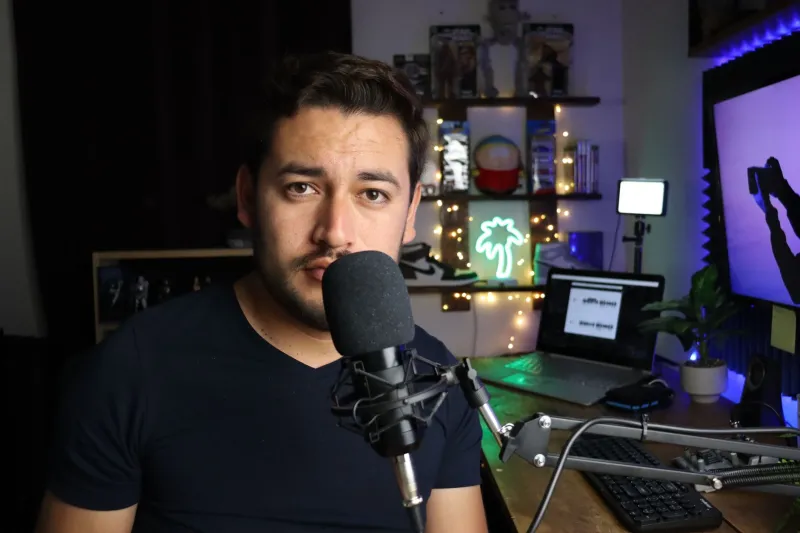
At some point in the last few years, a certain type of content creator started showing up in Akihabara with a very specific mission. Not the casual tourist hunting for anime merch or the PC builder looking for a deal on RAM — but streamers and video producers who had done their homework, made a list, and were prepared to haul serious weight back through customs. The word got out slowly, the way good things usually do, through Discord servers and creator community forums: if you care about your production setup, Tokyo's Electric Town has things you can't easily get anywhere else.
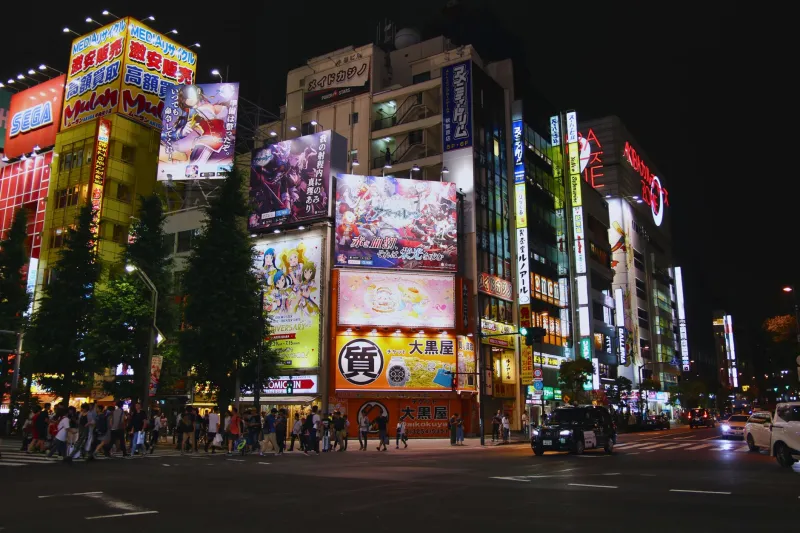
We've been watching this trend build for a while, and it's real. Here's why Akihabara has become a legitimate destination for content creators, what they're actually buying, and whether the trip makes financial sense for someone based in the US.
The Inventory Gap That Akihabara Fills
The American streaming gear market is actually pretty solid. You can build a capable streaming setup entirely from products available on Amazon or at Best Buy, and for the vast majority of creators, that's completely fine. But there's a tier above "capable" where things get complicated.
Japanese electronics manufacturers have a long history of releasing products in the domestic market that never see a US launch — or that show up here years later, in modified versions, sometimes with features removed. This applies to streaming-relevant gear in some genuinely significant ways.
Capture cards are a good example. Certain AVerMedia and I-O Data capture devices sold in Japan offer features or form factors that the US-market equivalents don't. The differences aren't always enormous, but for creators doing high-volume console capture or working with older hardware, the options available in Akihabara can solve problems that the domestic market doesn't address.
Monitors are where the gap gets more pronounced. The Japanese consumer electronics market has historically supported a wider range of panel types, refresh rate configurations, and professional-grade display options than what's readily available retail in the US. Shops like Yodobashi Camera's Akihabara flagship and the specialist AV stores on the side streets stock display options that require either a specialty order or an import premium to obtain stateside. Creators who do a lot of color-critical work — thumbnail design, video grading, on-camera monitoring — find this particularly valuable.
Peripherals are a whole separate rabbit hole. The mechanical keyboard scene in Japan has its own ecosystem of switches, keycap sets, and boutique board manufacturers that overlap only partially with what's popular in the US. Akihabara has several shops dedicated entirely to keyboard enthusiasts, stocking switches and accessories that would require a group buy or a long wait from an overseas vendor if you tried to source them from home.
What Creators Are Actually Buying
We've talked to a number of streamers and video creators who've made Akihabara runs, and a few categories come up consistently.
Microphones and audio interfaces from brands that have stronger Japanese distribution than American retail presence — particularly certain Zoom and Tascam products that are positioned differently in the Japanese market. Audio is the gear category where creators most consistently feel underserved by mainstream retail, and Akihabara's audio sections tend to stock a broader range of prosumer options.
Lighting equipment, particularly compact LED panels and ring lights from Japanese brands that don't have US distribution deals. The space constraints of typical Japanese apartments have driven a whole category of compact, high-output lighting solutions that work extremely well for desk-based streaming setups.
Cables and connectors — this sounds boring until you've spent an hour trying to find a specific HDMI or SDI adapter domestically. Akihabara has entire shops dedicated to cables and connectors, stocking configurations that simply don't exist in American retail. For creators running complex multi-source setups, this alone can justify a detour.
Green screen and backdrop solutions from theatrical and broadcast supply shops that cater to Japan's active home video production community. Compact, well-engineered, and often significantly less expensive than comparable products marketed specifically at streamers in the US.
The Price Reality Check
Let's be honest about the economics here, because this matters. Akihabara is not uniformly cheap. For commodity electronics — mainstream GPUs, popular gaming headsets, well-known webcam brands — you're often paying comparable or higher prices than you would in the US, factoring in the exchange rate. The value proposition isn't about getting everything cheaper; it's about accessing inventory that doesn't exist in the American market at any price.
The sweet spots for American buyers are typically:
- Items with no US equivalent, where the choice is between buying in Japan or importing through a third-party service with a significant markup
- Used and refurbished professional equipment, where Japan's culture of meticulous maintenance means pre-owned gear is often in genuinely excellent condition
- Boutique and limited-run items from smaller manufacturers who don't have US distribution relationships
For big-ticket items, it's worth doing the math before you buy. The current dollar-to-yen exchange rate has been favorable for American shoppers for an extended stretch, but currency moves, and a deal that makes sense today might not make sense next year.
Practical Notes for the Creator Pilgrimage
If you're planning a trip with streaming gear as a primary objective, a few logistical notes:
Yodobashi Camera Akihabara is the right starting point for most people — it's one of the largest electronics retailers in the world, and the sheer breadth of inventory under one roof is genuinely useful for orientation. From there, the specialist shops in the surrounding blocks fill in the gaps.
For audio gear specifically, the shops clustered near the Akihabara UDX building tend to skew toward prosumer and professional equipment. Worth a dedicated visit.
For keyboard and peripheral enthusiasts, the upper floors of the buildings along Chuo-Dori and the side streets off Sotokanda are where you'll find the boutique shops. Look for the small handwritten signs and the steep staircases.
On customs: most streaming gear falls well within the $800 duty-free personal exemption for US residents. If you're making a significant haul, keep receipts organized and declare accurately — the paperwork is straightforward and the duty rates on electronics, where they apply at all, are generally low.
Akihabara has always been a place where people who take their technology seriously come to find things they can't get anywhere else. The fact that the content creator community has figured this out feels entirely appropriate. Electric Town has been ahead of the curve before, and it's ahead of it again.