The PC Builder's Pilgrimage: Sourcing Dream-Tier Components from Akihabara's Electronics Markets
There's a particular kind of PC builder who, upon discovering that Akihabara exists, immediately starts doing mental math. If a Ryzen 9 7950X retails for $699 in the US, what does it cost at Yodobashi Camera in Tokyo? What about that Noctua cooler that's been backordered for three months on Amazon? Is it even worth bringing a GPU home in a carry-on?
We've been through this exercise, and the answers are more nuanced than a simple "yes, go buy everything" — but nuanced in ways that are actually useful. Here's the full breakdown.
Why Akihabara for PC Components?
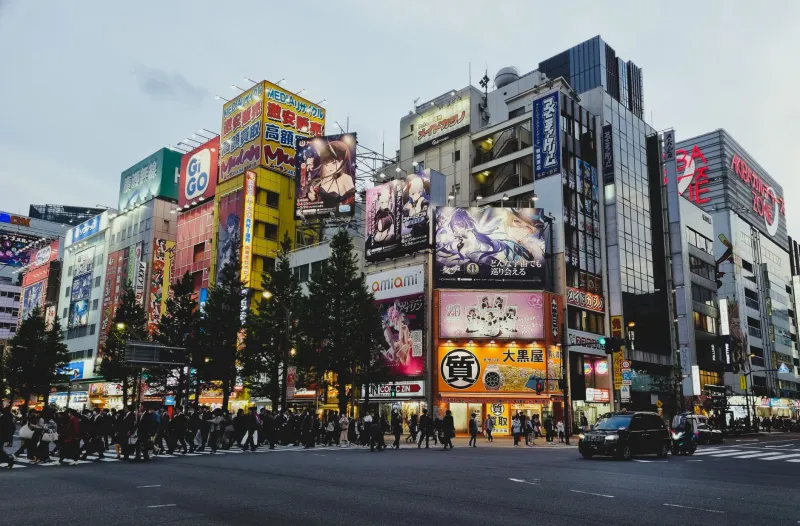
Akihabara's reputation as an electronics destination predates modern PC building culture by decades. In the postwar era, it was a hub for surplus electronics and radio parts. That DNA is still in the district's bones. Today, you'll find everything from the massive retail chains (Yodobashi Akiba, Sofmap, PC Koubou) to tiny specialty shops crammed into narrow storefronts selling obscure cooling accessories, vintage chips, and niche peripherals that simply don't exist in US retail channels.
The concentration of competition keeps prices sharp. Retailers know that a customer can walk thirty seconds to a competitor, so margins are tight and selection is broad. For a US builder used to comparison shopping across three or four major online retailers, walking a few blocks in Akihabara and seeing the same GPU at four different price points in real time is a genuinely novel experience.
The Big Players: Where to Start
Yodobashi Camera Akiba — This is your anchor store. A massive multi-floor electronics superstore with a dedicated PC components section that would impress even the most seasoned Micro Center regular. CPUs, GPUs, motherboards, RAM, storage, cases, cooling — it's all here, well-organized, and staffed by people who actually know what they're talking about. Prices are competitive with Japanese online retail, and the store frequently runs point-back promotions that effectively discount your purchase by 5–10%.
Sofmap Akihabara — Part of the Bic Camera group, Sofmap has multiple locations in Akihabara, including stores that specialize in secondhand and refurbished components. For a US builder looking to score a previous-gen GPU at a steep discount, Sofmap's used inventory is worth serious attention.
PC Koubou — A Japanese chain that leans hard into enthusiast hardware. Their Akihabara location carries boutique brands that rarely make it to US shelves — think custom water cooling fittings, high-density HEPA case filters, and regional variations of popular cases. If you've ever gone down a rabbit hole on Japanese PC modding forums, PC Koubou is where a lot of that hardware lives in the real world.
T-Zone / Dospara — Dospara in particular is known for competitive component pricing and a solid selection of gaming peripherals. They also build custom PCs, which is worth knowing if you're planning a longer stay and want a machine assembled locally.
Real Pricing: What Actually Saves You Money
Let's get specific, because this is where a lot of blog posts about Akihabara shopping get vague. Pricing fluctuates based on exchange rates, stock availability, and timing, but here are some general patterns we've observed:
CPUs and motherboards tend to be priced within a few dollars of US MSRP when the yen-dollar exchange is near historical averages. At current exchange rates (with the yen running relatively weak), US buyers are often seeing 15–25% effective discounts. That's real money on a high-end chip.
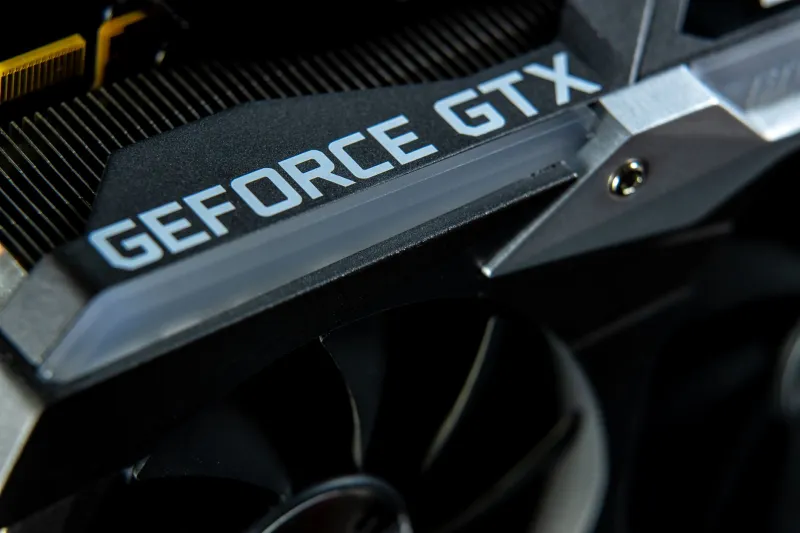
GPUs are where things get complicated. Flagship cards from NVIDIA and AMD are globally priced, and Japanese retail isn't always cheaper — especially for the latest generation. However, mid-range cards and previous-gen flagship GPUs often sit at attractive price points, particularly in the secondhand market.
Cooling solutions are a genuine bright spot. Japanese PC cooling culture is intense, and Akihabara carries a depth of air coolers, AIO liquid coolers, and custom loop components that dwarfs what you'll find at Best Buy. Brands like Scythe (a Japanese company that's underrepresented in US retail) offer exceptional performance-per-dollar, and you'll find their full lineup here.
Storage and RAM — SSDs and memory are commoditized enough that pricing is fairly global. Don't expect dramatic savings, but you may find capacity tiers or specific SKUs unavailable in the US.
Peripherals and accessories — This is actually one of the best categories for US buyers. Japanese gaming peripheral culture is its own ecosystem, and you'll find keyboards, mice, and audio gear from brands like HHKB, Topre, and Realforce that carry significant import markups when sold through US channels.
Warranty Considerations: The Part Nobody Wants to Think About
Here's the honest truth: buying hardware internationally complicates your warranty situation. Most major manufacturers (Intel, AMD, NVIDIA, ASUS, MSI, etc.) offer international warranties, meaning a product purchased in Japan can be warrantied in the US. However, this is not universal, and the process isn't always smooth.
Before purchasing anything expensive, check the manufacturer's website for their specific international warranty policy. Some require the original Japanese receipt. Some have region-specific warranty terms. ASUS, for example, has a global warranty program, but you'll need documentation.
For secondhand purchases, you're typically buying as-is with no manufacturer warranty. That's a risk calculation you'll need to make based on the price difference and your own tolerance.
A practical tip: keep every receipt, photograph every serial number, and note the purchase date carefully. If you need warranty service six months after returning home, you'll be glad you did.
Getting It Home: Shipping, Customs, and Carry-On Strategy
This is the logistics puzzle every Akihabara hardware shopper eventually faces.
Carry-on works well for small, high-value items — a CPU, a couple of sticks of RAM, or a mechanical keyboard. These are light and don't take up much space. A GPU in its original box can technically fit in a carry-on but is awkward. A full tower case is obviously not happening.
Checked baggage is viable for mid-sized items if you pack carefully. Wrap components in their original anti-static packaging, pad generously with clothing, and consider a hard-sided suitcase for fragile pieces.
International shipping is the move for larger hauls. Japan Post EMS is reliable and reasonably priced for packages under 30kg. Many Akihabara retailers will ship internationally directly, or you can use a forwarding service to consolidate multiple purchases.
US Customs: The duty-free threshold for US residents returning from abroad is $800 per person. Anything above that is subject to import duties, which vary by product category. Electronics typically fall in the 0–3.9% range, so even if you go over the threshold, the hit isn't catastrophic. Just declare honestly — customs officers are not known for their sense of humor about undeclared electronics.
Timing Your Shopping: When Akihabara Deals Are Best
Like any retail market, Akihabara has rhythms. A few worth knowing:
- New Year's (Hatsuuri) — Japanese retailers pull out significant discounts in early January as part of the New Year's sales tradition. This is one of the best times to find deals on electronics.
- Golden Week (late April–early May) — Mixed bag. Tourist traffic is high, which can mean crowded stores, but some retailers run promotions.
- End of fiscal year (March) — Japanese companies often clear inventory in March. Worth checking if you're visiting then.
- Post-product launch windows — When a new GPU or CPU generation drops, previous-gen pricing tends to soften quickly. Timing a trip around a major hardware launch can be advantageous.
The Intangible Value
Beyond the pricing math and logistics, there's something about sourcing components in Akihabara that just feels different. Walking into a shop and handling a CPU cooler you've only ever seen in forum posts, talking to a staff member who can explain the thermal performance differences between two similar products without reading off a spec sheet, finding a case colorway that never made it to the US market — it's a different relationship with hardware.
For PC builders who take the craft seriously, Akihabara isn't just a shopping destination. It's the source. And once you've been, every Newegg order back home will feel just slightly less exciting.