Cracking the Code: How American Collectors Can Score Legit Anime Figures in Akihabara
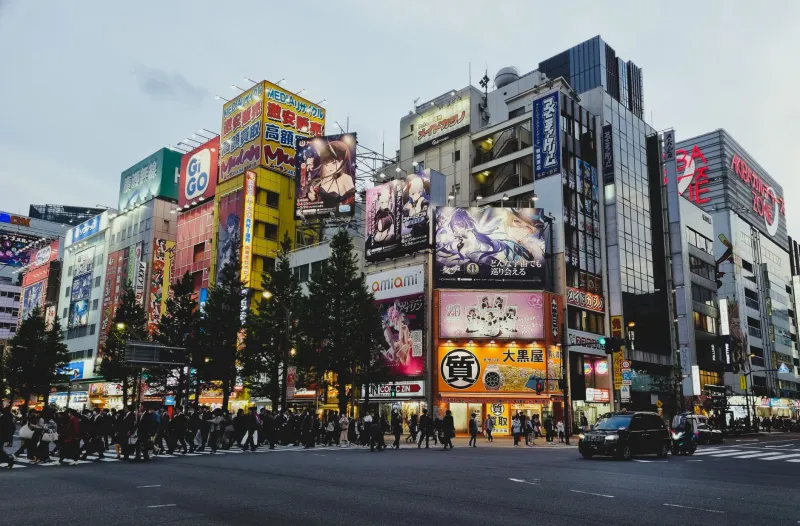
If you've ever stared at the price tag on an anime figure at your local comic shop and thought, there has to be a better way — you were right. Akihabara, Tokyo's legendary Electric Town, is ground zero for anime merchandise, and for serious collectors, a trip here can feel like finding a cheat code. But just like any good RPG, you need to know the map before you dive in.
We've spent a lot of time walking these streets, talking to shop owners, and yes, making a few rookie mistakes so you don't have to. Here's everything a US collector needs to know before hitting the figure shops of Akihabara.
Understanding the Landscape: What Kind of Shopper Are You?
Before you even land at Narita, it helps to know what you're after. Akihabara's figure market broadly splits into two categories: new retail and secondhand. New figures come sealed in their original packaging, while secondhand (called chuko in Japanese) items range from mint-condition pieces that were opened once for display to heavily played-with figures missing accessories.
For US collectors used to sites like BigBadToyStore or Right Stuf, the new retail experience in Akihabara will feel familiar — except the prices will make your jaw drop. A scale figure that retails for $120 stateside might run you ¥8,000–¥10,000 (roughly $55–$70 at current exchange rates). The secondhand market, though, is where things get really interesting.
The Shops You Need to Know
Not all shops are created equal. Here's a breakdown of the heavy hitters:
Kotobukiya Akihabara — This is basically the flagship store for one of Japan's most beloved figure manufacturers. You'll find their full catalog, including exclusives you simply cannot get in the US. If you're a fan of their Bishoujo series or their Frame Arms Girl line, this is a must-stop.
Mandarake Complex — Eight floors of secondhand anime goods, including a dedicated floor for figures. Mandarake is legendary for its organization and quality control. Items are graded clearly, so you know exactly what you're getting. It can be overwhelming, but the deals are real.
Akihabara Radio Kaikan — This multi-story building houses dozens of individual specialty shops. Each vendor has their own niche, so you might find a shop that exclusively deals in Nendoroids on one floor and prize figures on another. Budget at least two hours here.
Volks Akihabara — If you're into Dollfie Dreams or high-end resin garage kits, Volks is your spot. It's a step above the typical figure shop in terms of craftsmanship and price, but the quality is unmatched.
Lashinbang — Another solid secondhand chain with competitive pricing. Great for hunting down older releases that have long since sold out on the primary market.
Spotting Fakes: The Collector's Most Important Skill
Here's the uncomfortable truth: counterfeits exist in Akihabara, especially in less reputable stalls and some outdoor market setups. The good news is that established shops like the ones above have strong reputations to protect, so fakes are rare there. But if you're browsing smaller vendors or street-adjacent kiosks, stay sharp.
A few red flags to watch for:
- Unusually low prices on popular figures. A Nendoroid that normally runs ¥6,000 being offered for ¥1,500 should raise immediate questions.
- Blurry or misaligned box art. Authentic packaging is crisp and precise. Counterfeits often have slightly off colors or fuzzy text.
- Poor paint application. Legitimate manufacturers like Good Smile Company, Max Factory, and ALTER have tight quality control. Sloppy seam lines, uneven paint, or warped plastic are warning signs.
- Missing holographic stickers. Many authentic figures include a manufacturer's authenticity sticker on the box. Not all do, but its absence on a figure that should have one is a flag.
When in doubt, ask the shop staff. In reputable stores, they'll have the receipts — sometimes literally.
Pricing Realities: Why Japan Is Cheaper (And Sometimes Isn't)
The price gap between Japan and the US exists for a few reasons. Japanese retailers sell at domestic MSRP without the import markup, shipping costs, and distributor margins that inflate US prices. For newly released figures, you're often looking at savings of 30–50%.
However, limited edition and exclusive items — particularly lottery prizes or event-only pieces — can actually cost more in Japan because demand is intense. A figure that was only available at Wonder Festival might command a steep premium at Mandarake because collectors know exactly how rare it is.
Also factor in the current yen-to-dollar exchange rate. The yen has been historically weak recently, which has been a genuine windfall for US shoppers. Keep an eye on rates before your trip.
Negotiation: Is It a Thing?
Short answer: generally, no — not in the way you might haggle at a flea market back home. Japanese retail culture values fixed pricing, and pushing hard on price at a legitimate shop is considered rude. That said, there are a couple of legitimate moves:
- Ask about bundle deals. Buying multiple items from the same shop sometimes opens the door to a small discount, especially at secondhand stores.
- Check for point cards. Many shops offer loyalty point systems. Even as a tourist, you can rack up points on a single big purchase and redeem them immediately.
- Shop during sales seasons. Golden Week (late April–early May) and New Year's often bring genuine discounts. The post-Wonder Festival period also sees some clearance pricing.
Shipping Your Haul Home
This is where a lot of collectors get tripped up. Figures, especially large 1/4-scale pieces, are fragile and bulky. Your options:
- Carry-on or checked baggage — Fine for a few Nendoroids but impractical for a big haul.
- Japan Post EMS — Reliable, trackable, and reasonably priced for medium-sized shipments. Most shops can ship internationally.
- Tenso or Shipito forwarding services — If you're buying from Japanese online shops as a follow-up to your trip, these services give you a Japanese address and forward packages to the US.
Just be aware of US customs regulations. Items over $800 in total value may be subject to import duties, so keep your receipts organized.
The Bottom Line
Akihabara isn't just a shopping destination — it's a pilgrimage for anyone who takes anime collecting seriously. With a little preparation, you'll leave with an incredible haul, a deeper appreciation for the culture behind these figures, and probably a credit card statement you'll need a moment to process. We'll see you in Electric Town.