Electric Town's Hidden Layers: The Niche Communities Quietly Rewriting Akihabara's Story
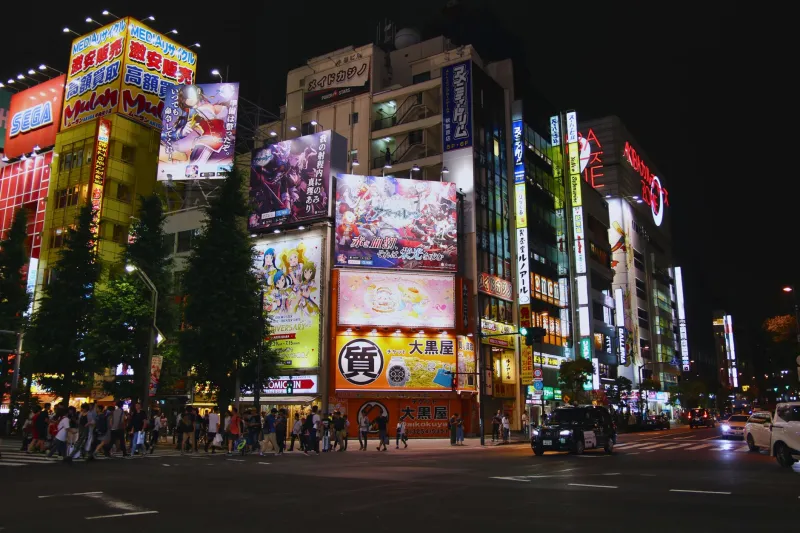
Ask most Americans what they picture when they hear "Akihabara," and you'll get a pretty predictable reel: maids handing out flyers, multi-story arcades, and walls of anime merchandise. And yeah, all of that is real. But if that's the only version of Electric Town you know, you're skimming the surface of something way deeper.
Akihabara has always been a place where obsession gets organized. What started as a postwar black market for electronic parts slowly became the spiritual home of Japan's otaku culture — and that culture does not sit still. Right now, beneath the tourist-facing storefronts, a new generation of subcultures is quietly carving out space in the neighborhood's back alleys, upstairs meeting rooms, and tucked-away cafes. As someone who keeps a close eye on what's actually happening in Electric Town, we want to introduce you to a few of these scenes — and more importantly, show you how to find them.
VTuber Fan Communities: More Than a Screen
If you follow VTubers — the virtual content creators represented by animated avatars — you already know how massive the scene has gotten in the US. Hololive, Nijisanji, and a growing roster of indie creators have built enormous English-speaking fanbases. What you might not realize is that in Akihabara, VTuber culture has developed an offline social layer that American fans rarely get to experience.
Scattered across the neighborhood are small fan meetup groups that gather in private event spaces, sometimes above convenience stores or in the back rooms of themed cafes. These aren't official corporate events — they're grassroots gatherings organized through Discord servers and Japanese social platforms like Mixi or closed Twitter communities. Members trade fan-made merchandise (known as doujin goods), discuss lore, and sometimes coordinate viewing parties for major live streams.
For American visitors, the entry point is usually merchandise. Pop into any of Akihabara's dedicated VTuber goods shops — there are several now on Chuo-Dori and the surrounding side streets — and strike up a conversation. Staff at these stores are often plugged into the community calendar. Even with a language barrier, enthusiasm translates, and a few key phrases go a long way.
Indie Game Dev Hubs: Where Tomorrow's Hits Get Made
Here's one that surprises a lot of people: Akihabara has become a legitimate node in Japan's indie game development scene. It makes a certain kind of sense — the neighborhood has always attracted people who build things, whether that's custom PCs or elaborate figure dioramas. That maker energy has found a natural outlet in game development.
Several co-working spaces and small studios in the area cater specifically to indie developers, and some of them host open demo nights where works-in-progress get shown to small audiences. Think of it like a very niche version of a local game jam showcase. The games tend to be deeply idiosyncratic — visual novels with unusual premises, bullet-hell shooters built around obscure anime references, experimental RPGs that would never survive a mainstream pitch meeting.
For American indie game fans or developers visiting Tokyo, these events are gold. Platforms like Doorkeeper and Peatix (both have English interfaces) list many of these gatherings, and some organizers actively welcome international attendees because they're hungry for outside feedback. If you're a developer yourself, bringing a laptop with a demo is a genuinely effective icebreaker.
Retro Computing Clubs: The Old Guard Keeping the Faith
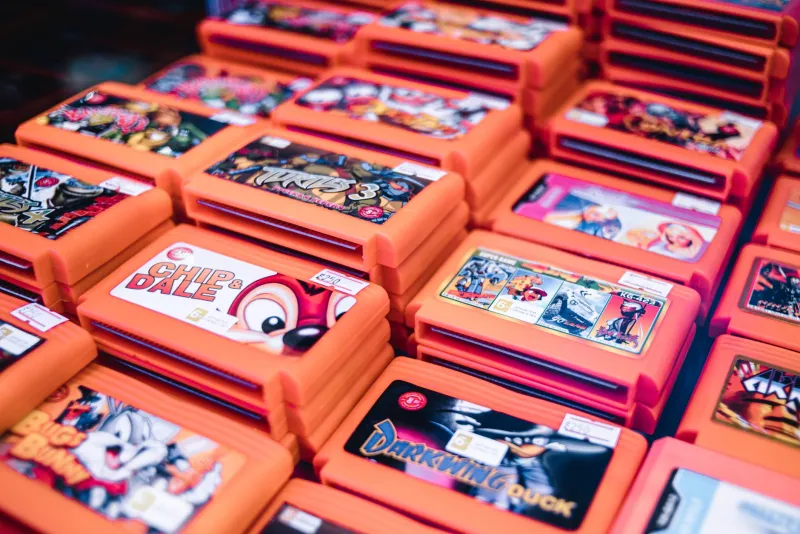
Long before the current wave of retro gaming nostalgia hit mainstream culture in the US, Akihabara was already home to a devoted community of vintage computing enthusiasts. These are people who collect and actively use machines like the PC-88, MSX, and Sharp X68000 — Japanese home computers from the 1980s that never made it to American shores but were enormously influential on the games and software that eventually did.
Retro computing clubs in Akihabara meet regularly, often in rented community spaces or the back areas of specialist shops. The vibe is closer to a ham radio club than a gaming convention — methodical, deeply knowledgeable, and genuinely passionate about preservation. Members restore hardware, develop new software for legacy systems, and archive documentation that would otherwise disappear.
For American visitors, this scene offers a fascinating window into a branch of computing history that most of us simply weren't exposed to. You don't need to speak fluent Japanese to appreciate watching someone demo a game that ran on a PC-88 in 1987, or to flip through a stack of original software packaging. If you're serious about computing history, reaching out to groups like the Retro PC Association before your trip — they have some English-language presence online — can get you an introduction.
How to Actually Connect
Finding these communities as an outsider takes a little more effort than walking into a maid cafe, but it's absolutely doable. A few practical notes:
Use Japanese social platforms. A lot of these events are organized on platforms that don't have strong English-language presences. Google Translate's camera function handles most Japanese text well enough to navigate event listings.
Visit specialist shops and ask questions. The staff at niche stores — VTuber goods shops, retro software dealers, doujin game sellers — are often community members themselves. They know what's happening and when.
Look up, literally. A huge number of Akihabara's most interesting spaces are on the second, third, or fourth floors of buildings. The storefronts at street level are often the most commercial operations; the good stuff is upstairs.
Respect the vibe. These are tight-knit communities, not tourist attractions. Come with genuine curiosity, be patient with language barriers, and don't lead with your camera.
Akihabara has always rewarded the people willing to dig past the obvious. The maid cafes and merchandise walls aren't going anywhere — but the neighborhood's real identity has always lived in its communities, and those communities are more diverse and more interesting than ever.