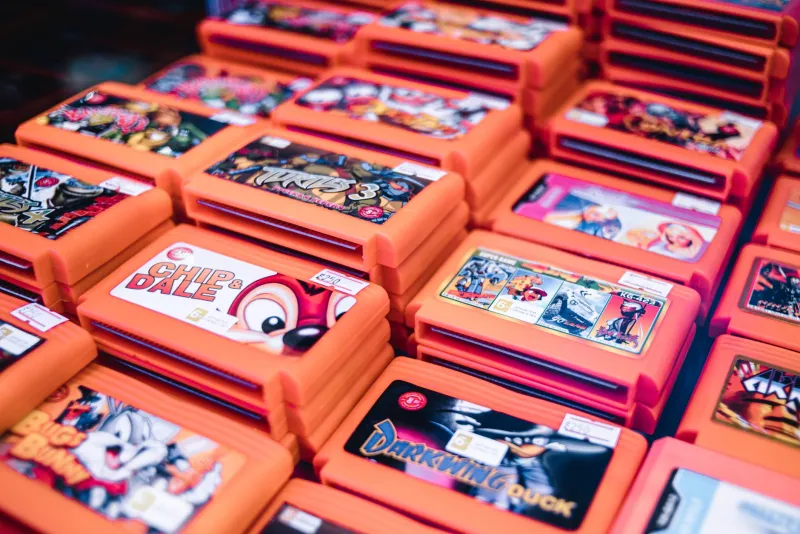
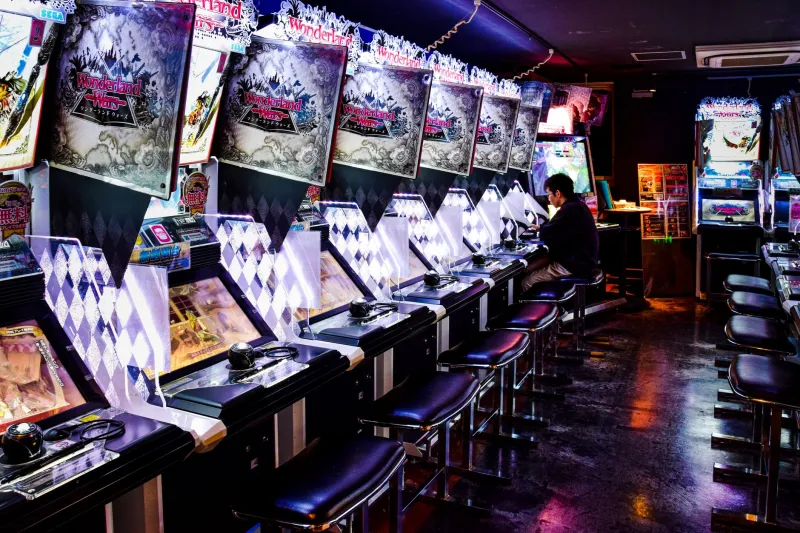
Digging for Gold: A Collector's Field Guide to Akihabara's Vintage Electronics Shops
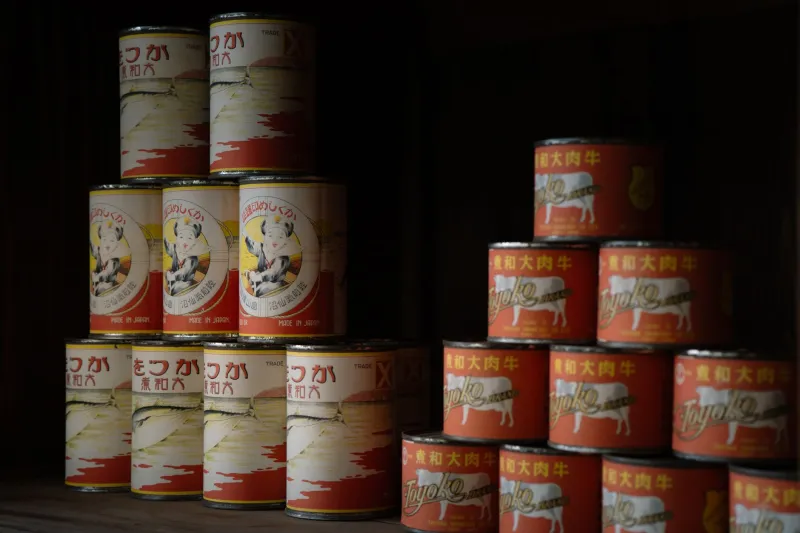
Let's be honest about what walking into a well-stocked Akihabara used electronics shop feels like the first time: overwhelming, slightly chaotic, and faintly like a dream where all the signs are in a language you almost understand. Shelves packed floor to ceiling with hardware from five decades of Japanese consumer electronics history. Price tags that range from "that seems reasonable" to "wait, that's how much?" And no obvious system for figuring out which of these things is rare, which is common, and which is the specific model that collectors in the US have been hunting for years without knowing it existed.
This guide is for that experience. We're going to break down how to actually navigate these shops with some competence — how to read the signals that indicate value, what American collectors most consistently miss, and how to avoid paying a premium for something that looks impressive but isn't.
Understanding the Landscape Before You Walk In
Akihabara's used and vintage electronics market isn't centralized. It's distributed across dozens of shops ranging from massive multi-floor retailers like Super Potato and Beep Akihabara to tiny single-room operations with hand-labeled boxes stacked in every available corner. The big shops are easier to navigate but have been thoroughly picked over by knowledgeable local and international buyers. The smaller shops are harder to read but more likely to yield genuine surprises.
A practical approach: spend your first hour or two in the larger shops to calibrate your sense of pricing and availability. What does a working PC-88 typically run? What's a Famicom Disk System in good condition going for? Establishing those baselines makes the smaller shops much easier to evaluate.
Cracking Japanese Product Codes
This is where a lot of American collectors leave real money on the table. Japanese consumer electronics from the 1970s through the 1990s were often released in regional variants with model numbers that differ from their international counterparts — and those differences matter enormously for value and compatibility.
A few things to know:
The suffix tells you a lot. Japanese domestic models often carry suffixes like "-J" or "-JD" or simply lack the suffix that international models have. Sometimes the Japanese domestic version is more desirable (better build quality, different tuner range, unique colorways). Sometimes the international version is rarer in Japan because it was exported and few came back. Knowing which you're looking at requires some homework, but it pays off.
NTSC-J is not the same as NTSC. American collectors familiar with game hardware know that Japan runs NTSC video at 60Hz like the US, but the actual signal standard has subtle differences that affect compatibility with certain displays and capture cards. For vintage computing hardware, the situation is more complicated — many Japanese home computers output video in formats that require specific monitors or adapters. A PC-98 without the right display is a very expensive paperweight.
Wattage and voltage matter for anything you're bringing home. Japan runs on 100V at either 50Hz or 60Hz depending on region. The US runs on 120V at 60Hz. Most modern electronics handle this fine with a simple plug adapter. Vintage hardware frequently does not. Budget for a step-down transformer or confirm the device has a universal power supply before getting excited.
What American Collectors Consistently Overlook
Spend time in these shops with a knowledgeable local and you'll start noticing patterns in what foreign visitors walk past without a second look. A few categories worth paying attention to:
Japanese audio equipment from the late 1970s and 1980s. Brands like Nakamichi, Sansui, Luxman, and Accuphase produced gear during this period that is genuinely world-class by any standard — and some of it still shows up in Akihabara shops at prices well below what the same pieces command on eBay or at American audio dealers. The catch is that condition varies wildly and servicing vintage Japanese audio equipment in the US requires some research into parts availability. But if you know what you're looking at, the value gap is real.
Sharp X68000 hardware and peripherals. The X68000 is a legendary Japanese home computer with a devoted international following among retro computing enthusiasts, but it remains less recognized in the US mainstream than the PC-98 or the FM Towns. Consequently, some peripherals and software for the system are still reasonably priced in Akihabara shops that have had them sitting on shelves for years. That window is closing as international awareness grows, but it hasn't closed yet.
Cassette-based computing hardware. Early home computers that used cassette tapes for storage — the MSX platform, various Sharp and NEC machines — show up regularly and don't command the same prices as cartridge-based systems. For collectors interested in early computing history rather than just gaming, this is underexplored territory.
Authenticating What You Find
Akihabara's used market is generally honest, but "honest" doesn't mean every piece is correctly identified or accurately described. A few authentication habits worth developing:
Check the serial number format. Japanese domestic hardware and international exports often have distinct serial number structures. Manufacturer databases and collector community wikis (the forums at NEC Retro, MSX Resource Center, and various Discord servers) can help you verify what you're looking at.
Test before you buy. Reputable shops will let you power on hardware before purchase. If a shop won't allow this, factor that into your risk assessment. Most of the larger used electronics shops in Akihabara have test stations or will demonstrate that something powers on.
Understand the grading system. Japanese used goods are typically graded on a condition scale — you'll see rankings like S, A, B, C, or sometimes descriptive labels like "junk" (which means sold as-is, no guarantee of function, and is exactly as risky as it sounds). "Junk" items can be incredible finds if you know how to repair or restore hardware. They can also be exactly what they sound like.
The Find That Changes How You Shop
Every serious collector has a story about the piece that recalibrated their approach. For one American collector we spoke with — a vintage audio enthusiast from Portland who makes an annual trip to Tokyo — it was a Nakamichi Dragon cassette deck in near-mint condition, priced at roughly a third of what comparable units were selling for in the US at the time. "I almost walked past it because I wasn't expecting to find something like that," he said. "Now I go in with a list and I don't let myself browse until I've checked for everything on it."
That's probably the most practical advice we can offer: do your research before you land, know specifically what you're looking for, and then let yourself get distracted by everything else. Akihabara rewards preparation and serendipity in roughly equal measure.
The gold is in there. You just have to know how to dig.