Akihabara's Indie Underground: The Creators Quietly Building the Next Wave of Gaming and Art
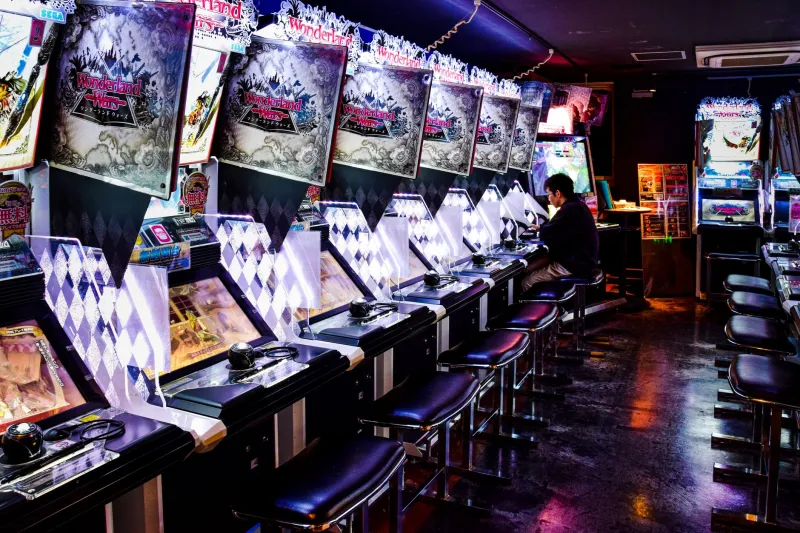
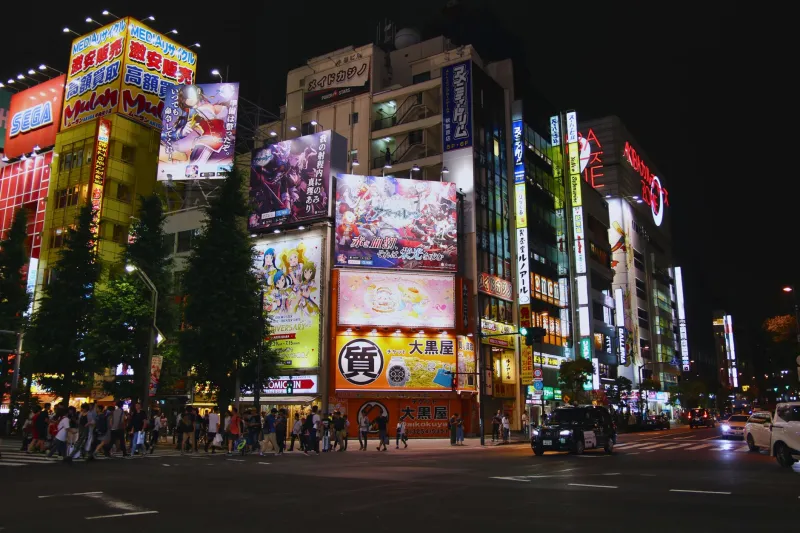
There's a version of Akihabara that exists entirely in travel guides and YouTube vlogs — the multi-story anime merchandise towers, the maid cafes, the overwhelming density of electronics shops. That version is real and worth your time. But there's another Akihabara that runs parallel to it, tucked into second-floor walkups and basement event spaces, operating on tight budgets and enormous creative ambition. This is where the doujinshi scene lives, where indie game studios run on instant noodles and passion, and where some of the most interesting ideas in gaming and tech are being stress-tested before anyone outside Japan hears about them.
What "Doujinshi" Actually Means (and Why It Matters)
American audiences sometimes encounter the word "doujinshi" in the context of fan-made manga or adult content, which is a real part of the scene but a narrow slice of it. In its broadest sense, doujinshi refers to self-published creative work — comics, games, music, software, hardware projects — produced independently and often sold in small quantities directly to an audience. The Comiket convention, held twice yearly in Tokyo, is the most famous outlet for this work, but Akihabara's shops and event spaces keep the ecosystem alive year-round.
For American indie game fans, the closest cultural analog is probably the itch.io ecosystem or the indie game showcases at PAX — but compressed into a physical district, with a tradition going back decades. The difference is that in Akihabara, you can walk into a shop, pick up a hand-labeled game disc, and know that the person who made it might be staffing the table two floors up.
The Shops That Keep the Scene Running
Several shops in and around the main Akihabara district specialize in doujin software and games. Toranoana and Melonbooks are the biggest names and carry a wide selection, but the more interesting hunting grounds are the smaller specialty stores scattered through the side streets. These carry limited-run titles, demo discs from events, and occasionally hardware projects from small collectives — custom controller mods, DIY synthesizers, experimental input devices built around microcontrollers.
The physical format is part of what makes this scene distinct. While Western indie games live almost entirely in digital storefronts, a significant portion of Japanese indie output still ships as physical media. Jewel cases with hand-designed inserts. Cardboard sleeves with photocopied artwork. USB drives in custom housings. For collectors, this is catnip. For developers, it creates a tangible artifact that feels meaningfully different from a Steam page.
Profiles in Independent Ambition
Spend enough time in these spaces and you start meeting the people behind the work. We connected with a few creators willing to talk about what they're building and why Akihabara specifically matters to their process.
One developer — a solo creator who goes by the handle Natsuki-8 online — has been making side-scrolling action games for the doujin market for about six years. His titles have sold modestly in Japan but have developed a following in the US and Europe through fan translation projects he didn't initiate. "I make games for myself first," he said through a translator. "But knowing people in America are playing them and talking about them — that's something I didn't expect and still find a little unreal."
Another creator, part of a four-person collective called Konton Lab, focuses on hardware: small-batch custom game controllers and experimental input devices. Their most recognized project is a one-handed controller designed for accessibility, which circulated through adaptive gaming communities online after a tweet from an American occupational therapist went viral. The device was never officially exported. People found ways to get it anyway.
These aren't outliers. The pattern of grassroots Akihabara projects finding international audiences through fan communities, translation groups, and social media is consistent enough to be a genuine pipeline — just an informal one.
How Akihabara's Indie Scene Feeds the Mainstream
It would be easy to frame doujin culture as a charming backwater — passionate amateurs making niche stuff for niche audiences. The actual history is more disruptive than that. Touhou Project, one of the most elaborately expanded game universes in existence, started as a doujin shooter made by a single developer. Cave Story, which many American indie game fans cite as a foundational influence, came from the doujin scene. Doki Doki Literature Club, a title that genuinely unsettled a lot of Western players and sparked widespread cultural conversation, draws heavily from visual novel conventions developed in the Japanese indie and doujin space.
The influence moves in both directions now. American indie developers increasingly look to Japanese doujin games for mechanical ideas and aesthetic approaches. Japanese indie creators watch Western releases and incorporate elements into their own work. Akihabara sits at the physical center of this exchange — a place where both traditions have shelf space.
Practical Notes for Visitors Who Want to Dig In
If you're planning a trip and want to engage with this scene rather than just browse past it, a few starting points:
Go to Toranoana or Melonbooks first to orient yourself. They're large, well-organized, and have sections clearly labeled for games and software. You'll get a sense of the range of what's being produced before heading into smaller shops.
Look for event listings. Small doujin events happen in Akihabara regularly outside of Comiket season. Check Twitter/X searches for "同人 秋葉原 イベント" or look at event boards posted in shop windows. Some of these events are explicitly welcoming to international visitors.
Budget for impulse buys. Individual doujin game titles are often priced between ¥500 and ¥2,000. Even if you can't read Japanese, the visual design on physical packaging is frequently worth the price as an artifact. And translation communities online have covered more titles than you'd expect.
Talk to shop staff. In the smaller specialty stores, the people behind the counter are often creators themselves or deeply embedded in the community. A translation app and some genuine curiosity can open up conversations that no guidebook will point you toward.
Akihabara's indie underground isn't hidden, exactly. It's just not where most people look. Once you know what you're looking for, it's everywhere.