Beyond the Arcades: Akihabara's Entertainment Scene Is Reinventing Itself in Real Time
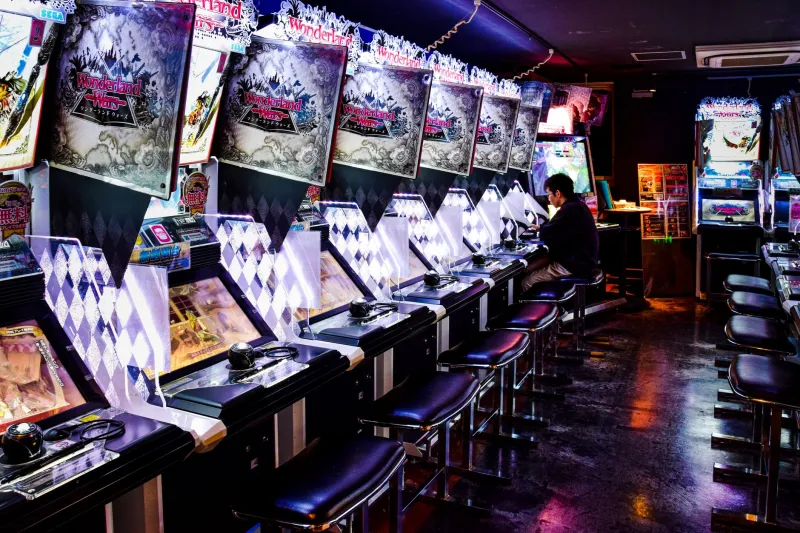
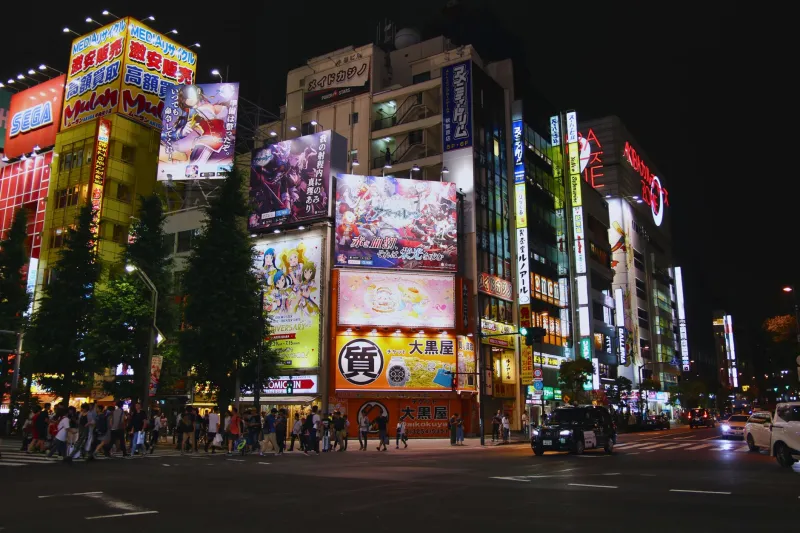
If you last visited Akihabara five years ago and thought you knew what to expect on your next trip, go ahead and throw that mental map away. The district still has its iconic multi-floor arcades and the maid cafes that have become almost synonymous with Electric Town's identity — but stacked right alongside them now are VR lounges, AR scavenger hunts, mixed-reality escape rooms, and entertainment concepts that don't have a clean English label yet. The pace of change here is genuinely startling, and for American visitors planning a tech tourism trip to Tokyo, understanding what's new is just as important as knowing what's classic.
The Maid Cafe Didn't Disappear — It Upgraded
Let's get one thing out of the way: reports of the maid cafe's death are greatly exaggerated. What's actually happening is more interesting than a simple decline. Operators who've been running these spots for a decade or more are quietly layering in tech to stay competitive. Some venues now feature AR overlays on their menus, letting guests point a phone at the table and watch animated characters come to life. Others have integrated light-up interactive elements into their performance routines, borrowing production values from idol concerts.
One venue manager in the Chuo-dori area — who asked to be identified only as Keiko — put it plainly during a conversation with our team: "Visitors used to come for the novelty. Now they come for the novelty and the experience. If we don't give them both, they go somewhere else." That pressure to deliver on multiple levels is reshaping the entire entertainment corridor, not just the cafes.
VR Arcades Are Eating the Attention Economy
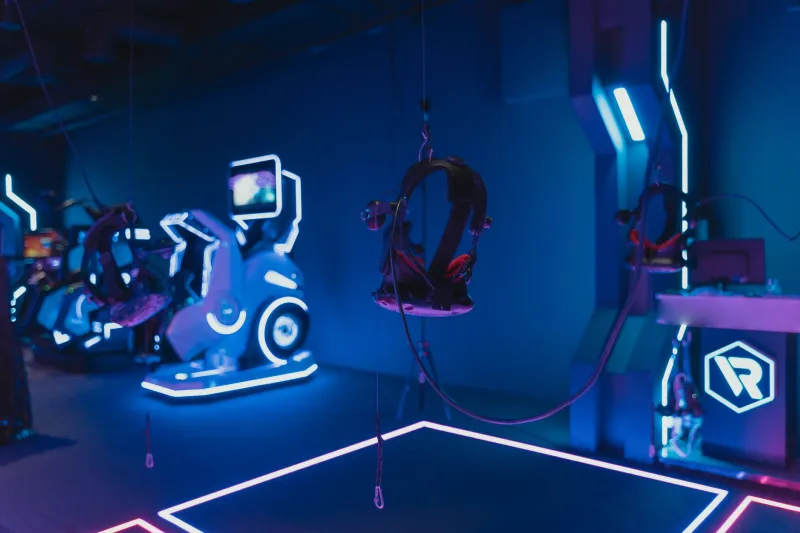
Walk far enough off the main drag and you'll start finding them: narrow storefronts with blacked-out windows, neon signage in katakana, and the faint sound of people genuinely screaming. VR arcades have been growing in Japan for years, but Akihabara's versions are a cut above what most Americans have encountered at a Dave & Buster's or a local VR pop-up.
The hardware alone is worth noting. Several venues are running headsets and haptic setups that haven't hit the US consumer market yet — prototype-adjacent gear that developers send to high-traffic entertainment locations as real-world testing grounds. One spot near Akihabara Station's Electric Town exit runs a full-body haptic suit experience tied to a mecha combat game. You feel every hit. The line on weekends stretches onto the sidewalk.
What's especially interesting for tech tourists is that many of these venues are explicitly designed as demo environments. Staff are often knowledgeable about the underlying hardware and happy to talk specs if you ask in basic Japanese or through a translation app. For American visitors who are also PC builders or hardware hobbyists, these conversations can be genuinely illuminating — you're getting a preview of where consumer VR is heading, months before CES announcements.
AR Is Moving Out of the Headset
One of the more surprising shifts in Akihabara's entertainment landscape is how augmented reality is escaping the headset format entirely. Several venues and even some of the larger shops have started building AR experiences into the physical environment itself — think projection-mapped building facades, floor displays that react to foot traffic, and window installations that overlay digital characters onto the street scene outside.
A newer entertainment complex near Akihabara UDX has taken this furthest, running a kind of permanent AR art installation across multiple floors. Visitors download an app, and the building becomes a layered experience — physical retail on the surface, animated story content visible through the phone. It's part gallery, part game, part advertisement, and it works in a way that feels genuinely fresh rather than gimmicky.
For context, American cities have experimented with large-scale AR activations at events like SXSW or Comic-Con. Akihabara is doing a version of this as a permanent, everyday feature of the district. That's a meaningful difference.
What International Visitors Actually Need to Know
If you're planning a trip and want to actually access these experiences rather than just walk past them, a few practical notes:
Book ahead for the premium stuff. The most popular VR venues and themed experience rooms fill up fast, especially on weekends and during holiday periods. Many now have English-language booking options on their websites or through third-party platforms like Airbnb Experiences or Klook.
Bring a translation app and use it aggressively. Google Translate's camera mode handles Japanese signage well enough for navigation. Some venues have English-speaking staff; many don't. The app closes that gap faster than you'd expect.
Budget differently than you would for a traditional arcade. A single session at a premium VR venue can run ¥2,000–¥5,000 (roughly $13–$33 at current exchange rates). That's not cheap by arcade standards, but the experiences are genuinely in a different category from what you'd pay the same amount for back home.
Go on a weekday morning if you can. The gap between a weekend afternoon and a Tuesday at 10 a.m. in terms of crowd density is enormous. You'll get more time on the best machines and more opportunities to actually talk to staff.
Silicon Valley Ships Products. Akihabara Ships Experiences.
There's a useful way to think about what makes Akihabara's entertainment evolution distinct from what's happening in American tech hubs. Silicon Valley optimizes for scale — products and platforms designed to reach millions of users through a screen. Akihabara optimizes for intensity. The experiences being built here are designed to be overwhelming in a good way, to leave you talking about them for weeks.
That's not a knock on either approach. But for American visitors who consume a lot of tech content and think they have a solid sense of where entertainment is heading, a few hours in Akihabara's newer venues has a way of recalibrating expectations. The future of entertainment isn't just digital — it's physical, layered, and a lot more weird than the roadmaps suggest.
Electric Town has always been ahead. Right now, it's running.