Pay by the Hour, Drive Like You Stole It: Akihabara's Racing Lounges Are What American Gamers Keep Asking For
Let me be upfront about my bias: I think the American approach to sim racing — build a $4,000 rig in your garage, use it for six weeks, hang a jacket on it — is a little insane. And spending an evening in one of Akihabara's high-end gaming lounges did nothing to talk me out of that opinion.
What You're Actually Renting
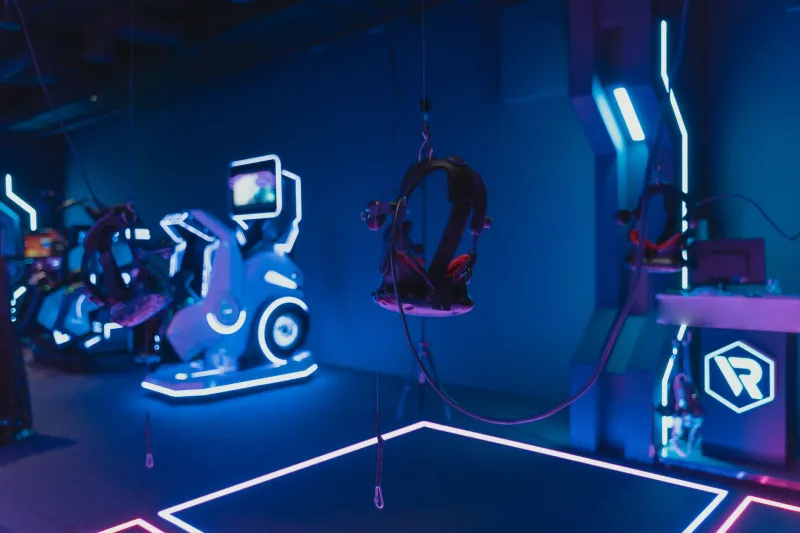
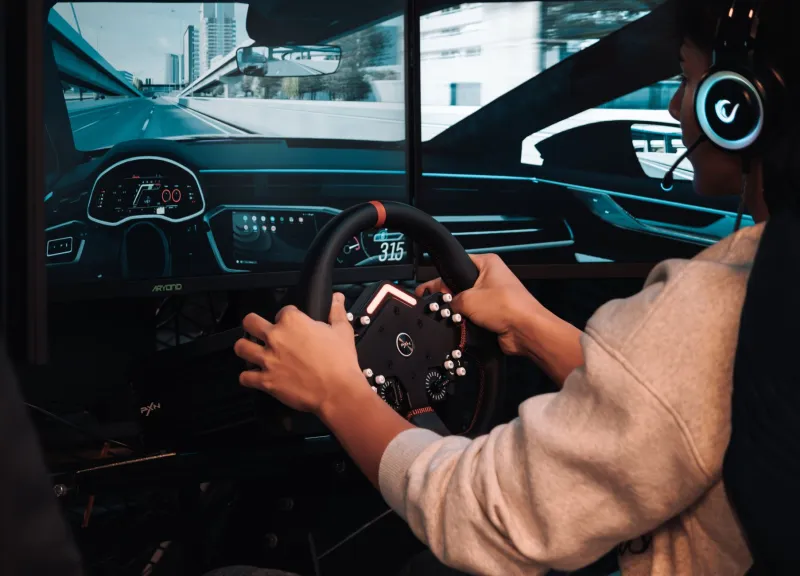
The premium lounge model is simple: you book time, you get hardware most people can't justify owning. We're not talking about a Logitech wheel clamped to a folding table. The serious Akihabara lounges run direct-drive wheelbases, load-cell pedals, bucket seats on proper rigs, and triple-monitor or VR setups with current-gen PCs behind them. Flight sim spots in the area offer full yoke-and-throttle pits that would eat half a spare bedroom.
Hourly rates typically land between ¥1,000 and ¥2,500 per hour depending on the rig — call it $7 to $17. Compare that to what the same hardware costs to buy, house, and eventually resell at a 50% loss, and the math gets uncomfortable for the home-builder crowd.
But the hardware is only half the story. The other half is space, which is the resource Tokyo has always optimized for and Americans have always assumed was free.
The Space-Conscious Argument
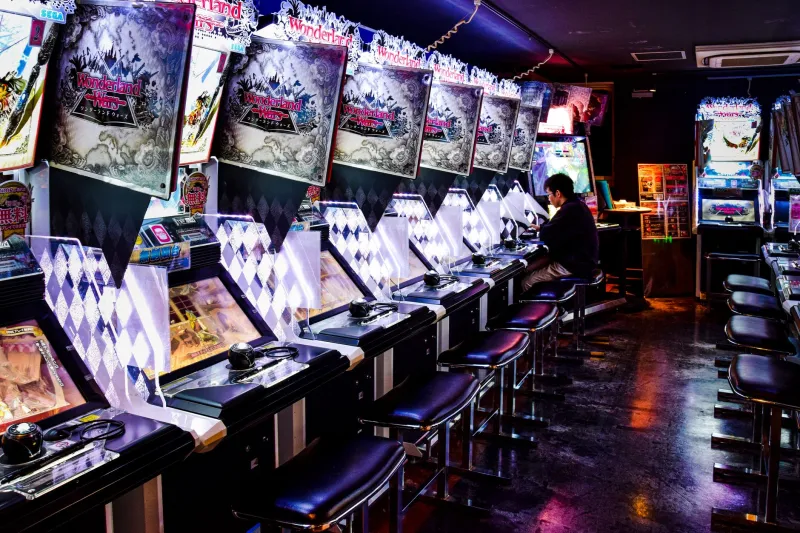
The average Tokyo apartment doesn't have a garage, a basement, or often even a second room. Japanese gaming culture responded by getting really, really good at shared infrastructure: arcades, net cafes, karaoke boxes with consoles, and now these lounges. The result is that a person in a one-room apartment in Saitama has regular access to better sim hardware than most American hobbyists own outright.
There's a lesson here the US gaming conversation keeps circling without landing on: ownership isn't the only relationship you can have with hardware. The rise of game streaming subscriptions, shared maker spaces, and even the resurgence of barcades suggests American players are already drifting toward access-over-ownership. Sim racing just makes the case most vividly, because the gear is the single most space-hostile category in gaming.
Could It Work in the US?
Honestly? Partially.
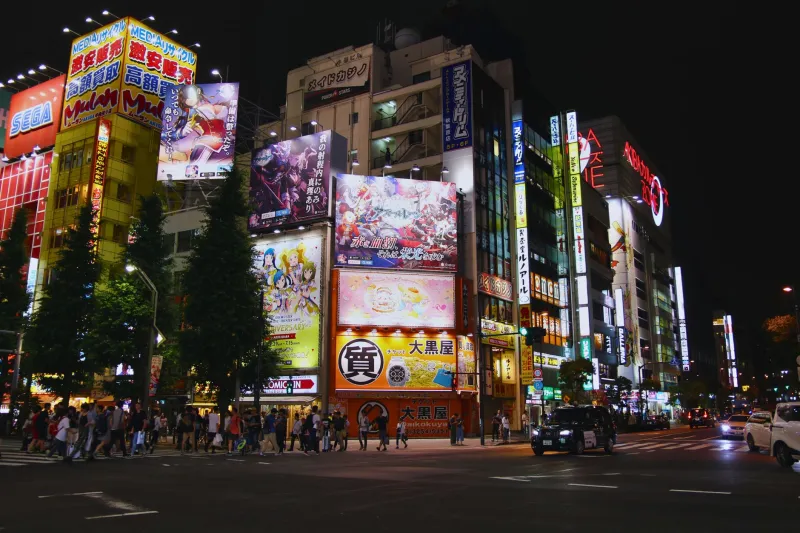
The obstacles are real. American sim racers who invest in home rigs tend to be the committed competitive types, and they want their own settings, their own seat position, their own everything. Lounges also live or die on location economics — Akihabara's foot traffic is a torrent of exactly the right demographic, and most US cities don't have an equivalent district where a lounge can pull casual curiosity traffic at 10 PM on a Tuesday.
But the model doesn't need to replicate Akihabara to work. Look at what's already happening: dedicated sim racing centers are opening in mid-size metros, often attached to karting facilities, charging $30–60 an hour for comparable rigs and doing fine. The gap between those and the Tokyo lounge model is atmosphere. The Japanese lounges feel like hangouts — you can drift between a racing seat and a fighting game cabinet and a drink counter in the same visit. American facilities feel like equipment rentals with a lobby.
What to Do on Your Next Trip
If you're heading to Akihabara, block out two hours you'd otherwise spend in a fourth retro game shop. Walk the side streets off Chuo-dori and look for the lounge signage — several sit on the upper floors of mixed-use buildings, so look up. Book ahead on weekends; the flagship rigs fill fast. And bring your own gloves if you're serious, because the shared ones are... a choice.
You'll leave with two thoughts: that was cheaper than it should have been, and why is my wheelbase collecting socks. Both are correct. Only one of them has a solution you can fit in a suitcase.