The Tax-Free Trap Door: How to Shop Akihabara Like a Local Instead of a Mark
Every week, someone flies home from Akihabara with a component they overpaid for by 30%, convinced they got the tax-free deal of a lifetime. The tax-free system in Japan isn't a scam — it's actually one of the more straightforward tourist perks anywhere. But it sits on top of a retail landscape where some shops price for visitors and others price for regulars, and knowing the difference is worth hundreds of dollars on a PC build.
First, the Mechanics: How Tax-Free Actually Works
Spend at least ¥5,000 (before tax) at a single register on a single day at a tax-free certified shop, present your passport at the counter, and the 10% consumption tax comes off. That's it. A few things people get wrong:
- It's per-store, per-day. Two purchases of ¥4,000 at different shops don't combine, and a ¥4,000 purchase today plus ¥4,000 tomorrow doesn't either.
- Consumables and general goods are separate thresholds. If you buy both figures and a power supply at the same shop, they may need to hit ¥5,000 each within their category.
- Your purchases get taped or logged. Items are typically sealed in a bag you can't open until you leave Japan, and your passport gets a sticker or digital record. Tossing the receipt and ripping into the box at the hotel is technically a violation — and customs can check.
- You cannot resell. Tax-free is for personal use. Buying ten units to flip on eBay is where it stops being a discount and starts being a problem.
Trap One: The Shiny First-Floor Tourist Shop
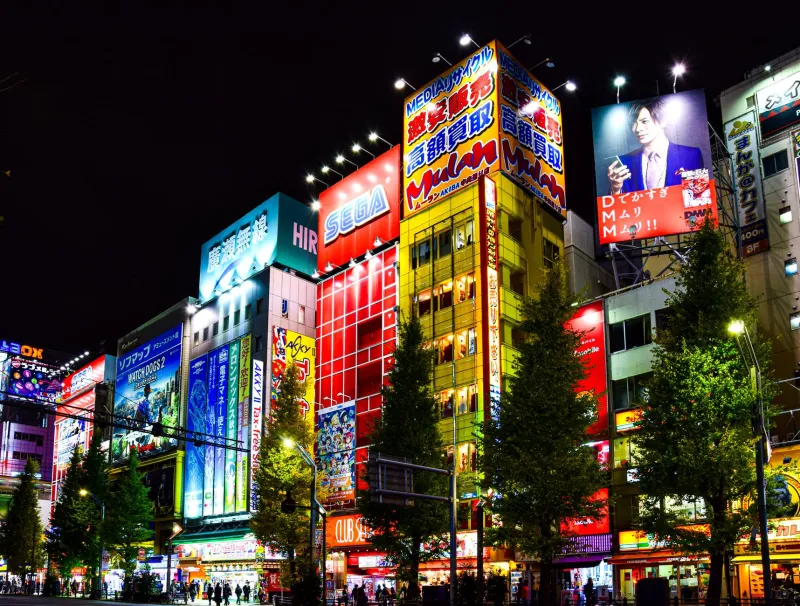
The shops facing the main Chuo-dori intersection with English signage four stories tall are not automatically overpriced — but the small storefronts that exist primarily to serve tour groups often are. The tell: prices displayed with the tax included but no tax-free counter, or worse, prices that look fine until you realize they're already padded by more than the 10% you're "saving." Cross-reference any significant purchase against the big multi-floor retailers (Yodobashi, the major hobby chains) before buying. Five minutes of phone-checking is the highest-paid five minutes of your trip.
Trap Two: The Warranty Illusion
This is the PC Hardware trap that stings most. That camera, that laptop, that power supply — if it's a Japan-market model, the manufacturer warranty is often domestic-only. Bring a defective unit back to the US and Sony's American service line will look at you like you're speaking Japanese, which, to their system, you are.
For accessories and cheap components, this is a non-issue. For anything with a fan, a battery, or a screen, ask two questions before buying: does the shop offer its own in-house warranty (several Akihabara retailers do, and it's worth the small premium), and does the voltage/region spec matter for my use? Japan runs 100V. Most modern PC power supplies are universal, but check the sticker.
Trap Three: Confusing "Duty-Free" With "Cheap"
Tax-free removes 10%. That's the ceiling of the discount. It does not mean the shelf price is competitive. A mid-range GPU marked at a hopeful tourist price minus 10% can still lose to the same card's US street price. Do yourself a favor and know the American price of anything over $200 before you walk into Electric Town, so you're evaluating an actual deal instead of reacting to a red "TAX FREE!" banner.
Trap Four: Ignoring the Second-Hand Exception
Here's the flip side: Akihabara's used and junk shops are where the genuinely unbeatable deals live, and they often can't do tax-free at all — or the used prices are so far below new-with-tax that the refund is irrelevant. Vintage audio, discontinued PC parts, retro components: the discount already baked into the price beats the 10% you'd claw back elsewhere. Know which game you're playing at each shop.
Trap Five: Forgetting Your Exit Math
Japan's consumption tax refund only matters if you actually leave with the goods. Ship something home from the post office mid-trip and you've complicated your refund status; the safe play is to carry tax-free purchases out with you. Budget your luggage accordingly on the way over, not on the way home.
The Short Version
Big certified retailers: always do tax-free, always bring your passport. Small tourist-facing shops: verify prices against the anchors first. Used shops: skip the refund, chase the deal. Electronics with warranties: ask before you pay, not after it breaks. Do those four things and Akihabara remains what it's always been — the best electronics shopping street on the planet, no asterisk required.